Tata Safari 2026 : Tata Motors has quietly transformed the Safari into more than just a family‑oriented MPV‑killer; the 2026 Safari now feels like a genuine premium SUV that Indian buyers can relate to in terms of style, space, and tech.
With the launch of the 2026‑model year updates and the addition of a petrol powertrain, Tata has sharpened its focus on drivability, comfort, and modernity, all while keeping the SUV’s rugged character intact.
Facelifted Design with a Bolder Identity
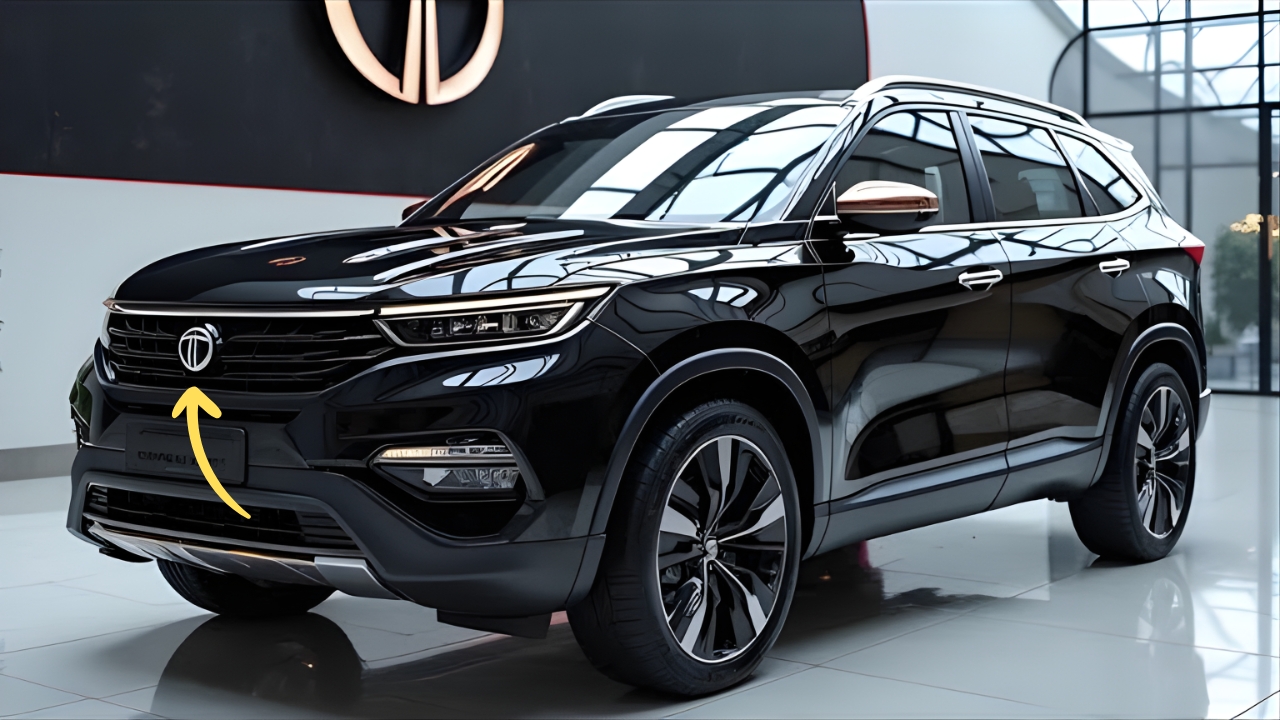
The 2026 Tata Safari wears a more aggressive front end, with a redesigned parametric grille, slimmer LED headlamps, and connected DRLs that light up in a distinctive pattern when the car is locked or unlocked.
The side profile remains upright and muscular, but new alloy‑wheel designs, subtle cladding, and updated mirror treatments give it a more contemporary look suited to urban showrooms as well as weekend highway trips.
At the rear, the Safari retains its blocky silhouette and wide C‑pillar, but the tail‑light cluster has been tightened up and the “Safari” badging now stands out more prominently on the tailgate.
This subtle evolution keeps the SUV visually familiar yet fresh enough to stand out in a crowded three‑row segment alongside rivals like the Mahindra XUV700 and Hyundai Alcazar.
Interior: Premium Feel with Real‑World Comfort
Inside, the 2026 Safari relies on a more premium cabin layout built around a driver‑centric dashboard and a free‑standing 12.3‑inch touchscreen.
The infotainment interface has been refined for quicker response and smoother navigation, and it now supports wireless Android Auto and Apple CarPlay out of the box, reducing the need to constantly plug in phones.
Also Read: Maruti Swift Iconic design htachback with 25Kmpl mileage, safety features is added
The cabin benefits from a 10‑inch digital driver’s display, rotary‑style gear selector, dual‑zone climate control, and ventilated front‑row seats, while the second row continues to be the highlight with captain‑style or bench‑style layouts depending on variant.
Rear‑seat passengers get good legroom, wide opening doors, and in higher trims, rear‑seat ventilation and shades, which is a big plus for families living in hotter parts of India like Haryana and North India in general.
Powertrain and Driving Experience
The 2026 Tata Safari retains the familiar 2.0‑litre turbo‑diesel that produces around 170 PS and 350 Nm, paired to a 6‑speed manual or a 6‑speed automatic.
This setup is tuned specifically for Indian road conditions, delivering strong low‑end torque for city overtaking and relaxed highway cruising, with claimed fuel efficiency figures hovering around the 13–14 km/l mark in mixed conditions.
For the first time, Safari buyers can now choose a 1.5‑litre Hyperion Turbo‑GDi petrol engine, starting from about ₹13.29 lakh (ex‑showroom, Delhi).
Petrol variants are aimed at users who want a more refined, quieter powertrain and easier intercity driving, even if the service network and fuel‑cost advantage still remain with the diesel.
Also Read: Isuzu V-Cross 2026 4×4 off roading capability comes with premium design and 18 inch alloy wheels
Ride quality stays on the softer side, making it comfortable over bad roads and long drives, although handling is more about stability than cornering sharpness.
Safety and Tech Upgrades for 2026
Safety has always been a strong point for the Safari, and the 2026 model strengthens that further with a 5‑star Bharat NCAP and Global NCAP rating.
The SUV offers up to six airbags, ABS with EBD, ESC, hill‑hold assist, and reverse parking sensors as standard, while higher trims add features such as a 360‑degree camera and front‑ and rear‑parking cameras.
The 2026 variants also get Level 2 Advanced Driver Assistance Systems (ADAS), which include adaptive cruise control, lane‑keep assist, and autonomous emergency braking.
These features are tuned to typical Indian traffic flows, making highway drives less tiring and marginally safer, especially during night trips or long‑distance journeys.
Market Positioning and Pricing in India
Priced from roughly ₹13.3 lakh (ex‑showroom, Luxe/Smart trim) and going up to near ₹26 lakh for fully loaded diesel automatic variants, the 2026 Safari occupies a spicy mid‑premium band in the three‑row SUV space.
It deliberately targets families who want seven seats without moving into the more expensive luxury or global‑brand SUV bracket.
For buyers in tier‑2 and tier‑3 cities such as Panipat, the 2026 Safari’s mix of spaciousness, strong diesel performance, and evolving tech makes it a compelling choice.
With the upcoming expectation of a Safari EV around mid‑2026 at an estimated ₹32 lakh starting price, Tata is slowly reshaping Safari’s image from a rugged family SUV into a more premium, tech‑forward line‑up.
Tata Safari 2026 : Why Safari 2026 Still Matters
More than just a model update, the 2026 Tata Safari represents Tata’s effort to keep its three‑row SUV relevant in an era of sharper rivals, faster tech, and changing buyer expectations.
It stays true to its core strengths—spaciousness, comfort, and a relatively seamless maintenance experience—while layering in digital features that make it feel more modern and connected.
For Indian families who need a genuine seven‑seater that can handle highways, rough roads, and daily commutes with equal ease, the 2026 Safari remains one of the most balanced options in the market right now.
Also Read This : Samsung Galaxy S25 FE 5G Full HD camera smartphone with 12GBRAM+512GB storage
Whether you choose the budget‑friendly Smart trim or the top‑end Accomplished X, the Safari continues to feel like a home on wheels—only a bit smarter and more stylish this time around.